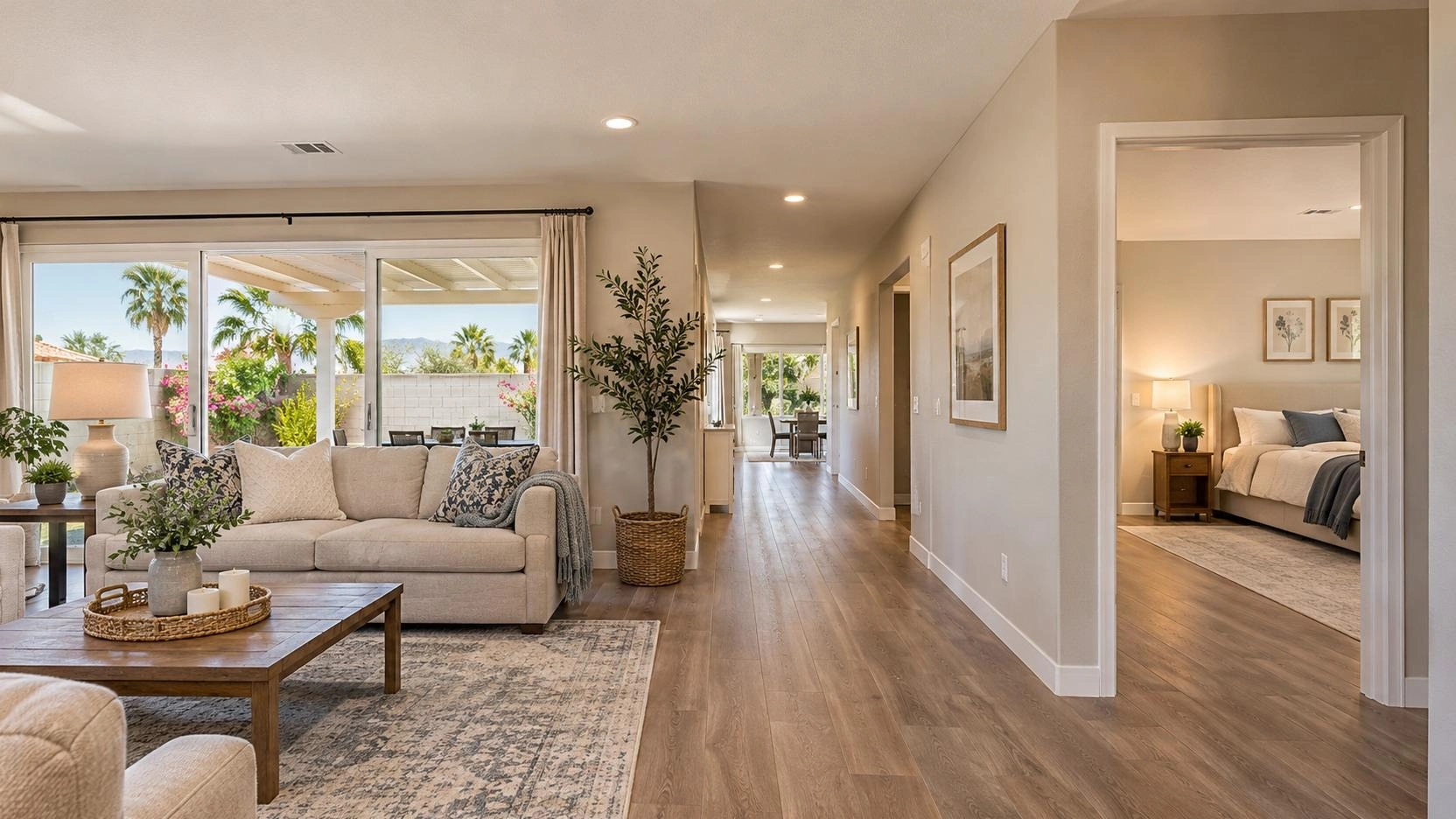
A home can work beautifully for one stage of life and become awkward when routines change. You may want space for a relative, easier movement through the house, or a layout that can accommodate recovery from an injury. An Inland Empire home search can account for those possibilities without assuming you can predict every future need.
Begin with the activities that matter to your household and evaluate how each property supports them. A listing described as single story or spacious offers a starting point, but it does not establish accessibility or suitability for a particular person. The useful question is how the actual home works for the people who will live there.
Describe daily activities before choosing features
List the routines you want the home to support. Think about arriving with groceries, moving between bedrooms and bathrooms, preparing meals, doing laundry, and spending time outdoors. Ask each household member which activities are comfortable now and which would benefit from a different arrangement.
Keep the discussion specific and respectful. A person who uses mobility equipment or expects support should have a central role in describing their own needs. Avoid deciding that a feature is suitable based only on another person’s assumptions about age or ability.
Separate essential requirements from preferences. You may need a practical bedroom and bathroom arrangement immediately while treating a future workspace as optional. Clear priorities make it easier to evaluate tradeoffs and avoid choosing a home that looks flexible but misses the needs that matter most.
Follow the route from arrival to living space
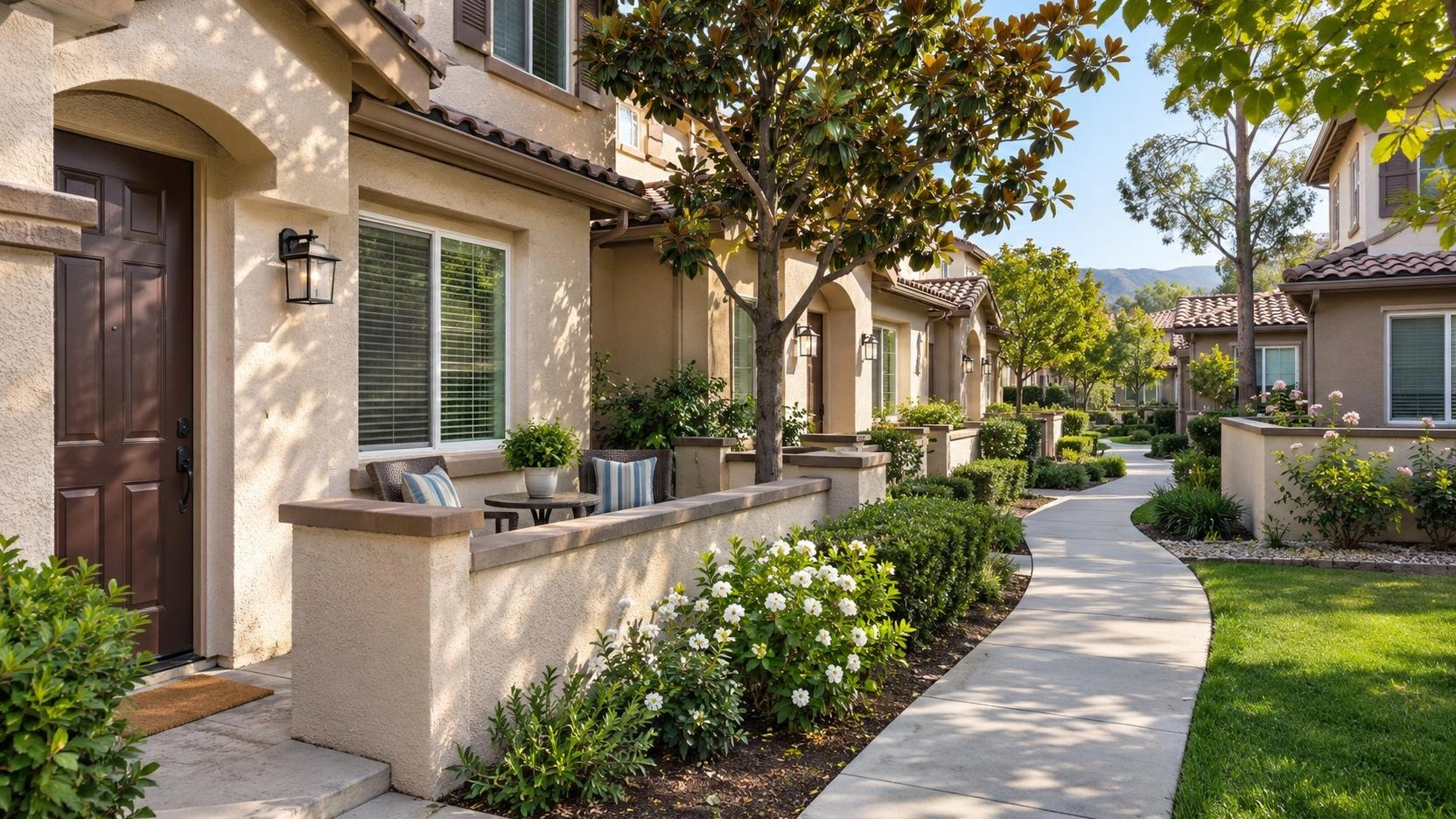
During a permitted showing, consider the entire route from parking or drop off to the entrance. Look at changes in level, surface conditions, door locations, and the space needed to move comfortably. A house can have one floor inside while still presenting challenges at the entry.
Do not make technical conclusions from a quick visual impression. If a route must accommodate particular equipment or support needs, arrange appropriate measurements and professional evaluation. Ask what can be assessed during due diligence and what information is still needed.
Consider ordinary tasks along the route. Where would someone set down bags, manage a door, or wait while another person enters? These details may be more relevant to daily comfort than a dramatic foyer or a large room that is difficult to reach.
Evaluate the bedroom and bathroom relationship
Look at the path between the sleeping area and bathroom, including turns, doors, and changes in flooring. Ask whether the arrangement works for your actual routine. A bathroom being nearby on a floor plan does not necessarily mean the route is convenient in practice.
Discuss bathroom suitability with a qualified professional when modifications or specialized needs are involved. The appearance of an open shower or a large vanity does not establish that the room meets a person’s requirements. Equipment, clearances, surfaces, and support needs may require closer evaluation.
Keep medical and functional advice with the appropriate professionals. An occupational therapist or other qualified specialist may help evaluate individual needs, while a contractor addresses construction feasibility. Your real estate agent can coordinate access and questions without certifying that a home is suitable for every circumstance.
Test the routine rather than the label
If possible and appropriate, let the person who will use the space explain the route and tasks that matter. Do not conduct unsafe demonstrations or operate unfamiliar equipment. Use the showing to identify questions for a properly arranged assessment.
Consider the spaces used every day
Kitchens, laundry areas, and storage can create practical challenges even when bedrooms are well arranged. Think about where everyday items would be kept and how tasks would be performed. A large room may still have an inconvenient layout if important functions are spread too far apart.
Look at the relationship between work areas and seating. Some households value a place to rest nearby or an arrangement that allows people to participate in shared activities comfortably. Describe the use you want rather than assuming that an open floor plan automatically provides it.
Consider lighting and visibility as part of the conversation. The National Institute on Aging’s home safety resources identify lighting, secure walking surfaces, and supportive features among matters worth reviewing. Apply those ideas through a property specific assessment rather than treating a short checklist as a complete safety certification.
Separate movable obstacles from structural constraints
Furniture and stored belongings can make a room feel less usable than it would be after moving in. At the same time, an empty room can hide practical limits once everyday furnishings are added. Think through a realistic arrangement rather than judging only the staged presentation.
Distinguish changes you can make through placement from changes that require construction. Moving a chair is different from widening an opening or changing a bathroom. If an essential feature depends on physical alteration, ask a qualified professional about feasibility, required approvals, and scope.
Do not assume that every obstacle can be solved later at modest cost. A proposed modification may involve related systems or work beyond the visible change. The purchase decision should reflect the actual evidence available about the project, not simply a hopeful idea that the space can be made suitable.
Plan for household privacy and support
When relatives or other household members will share the home, discuss how private and shared spaces would function. Consider different sleeping schedules, work routines, and the need for quiet. A flexible layout should support relationships as well as movement through rooms.
If support from another person may be needed, consider how that assistance would fit the home. Ask where personal supplies, equipment, or overnight belongings could be kept without blocking ordinary circulation. Keep the conversation connected to the household’s actual circumstances rather than a generic image of multigenerational living.
The National Institute on Aging encourages planning ahead and revisiting needs as they change. A home can support that process, but it cannot guarantee that every future care arrangement will be possible. Recognize the limits of what a property choice can solve and obtain professional advice where appropriate.
Evaluate outdoor space and maintenance demands
Think about the outdoor areas you will actually use and the route to reach them. A pleasant patio may be less useful if access is difficult or the surrounding yard requires more work than you want. Consider the whole property rather than only the interior layout.
Ask which maintenance tasks you expect to handle yourself and which require paid help. Obtain relevant estimates when those services affect affordability. A larger lot or more elaborate landscaping can be appealing, but it also creates responsibilities that should fit your available time and resources.
Consider how routine deliveries and service visits would work. A practical home supports the ordinary interactions that keep it functioning. These details may not be prominent in listing photographs, yet they can affect comfort and independence after the move.
Investigate modifications before relying on them
For any essential change, arrange a professional evaluation before assuming it can be completed. Ask for a written scope that identifies the proposed work, related issues, approvals, and uncertainties. A verbal estimate based on a photograph may not provide enough information for a major purchase decision.
If the property is subject to an association, review the relevant documents and approval process. Confirm local requirements with the authority responsible for the address. Do not assume that a similar change at another home establishes permission or feasibility for this one.
A hypothetical buyer may find a home that nearly fits but needs a bathroom alteration. If the project is essential, the buyer should understand its likely scope and whether the home remains usable while work occurs. The construction period belongs in the decision alongside the finished design.
Compare the complete cost of each option
Compare homes using purchase expenses, necessary modifications, ongoing maintenance, and the practical cost of any temporary arrangement. A lower asking price may leave more room for improvements, but only if the work is feasible and the complete budget remains manageable.
Keep optional upgrades separate from changes required for daily use. This helps you avoid spending the available improvement budget on finishes before addressing the features that motivated the search. Ask financial and construction professionals to explain the assumptions behind their respective estimates.
Do not expect a modification to produce a specific resale return. Its value to your household may be primarily practical. Evaluate that benefit honestly while recognizing that future buyers may have different needs and that market outcomes cannot be guaranteed.
Keep local comparisons focused on your routine
Inland Empire searches may include Jurupa Valley, Riverside, Corona, and Rancho Cucamonga. Compare the actual routes and services important to you rather than relying on broad claims about which city is best for a particular age group or household type.
If travel to regular appointments, work, or family matters, check those trips yourself at relevant times. Online distance alone may not describe the experience. Avoid assuming that a property is convenient because a listing uses that word or because it appears close on a map.
Discuss your criteria through Naim Olachea’s home buying services. Explain the daily functions you need and any professional assessments you expect to arrange. This gives the search a concrete purpose beyond selecting a preferred architectural style.
Keep the occupant in the conversation
If someone else will use a proposed modification, review the plan with that person before assuming it solves the problem. Their experience of the space may reveal details a drawing misses. A suitable home supports the occupant’s preferences and routines as well as the technical requirements identified by professionals.
Make room for the decision to evolve
After each serious tour, record what worked, what did not, and what requires verification. Revisit your priorities as you learn. A feature you initially considered essential may have a workable alternative, while an overlooked detail may become central to your decision.
Naim’s approach to working with clients emphasizes patient communication. Use that space to discuss changing preferences openly. A thoughtful search does not need to defend the first version of your criteria when better information becomes available.
Before proceeding, ask whether the home works under realistic conditions, including a delayed improvement or a temporary change in routine. A property does not need to anticipate every future event. It should offer a clear, practical fit for your current needs and a credible basis for the changes you are considering.
An adaptable Inland Empire home is one whose layout, access, and responsibilities make sense for its occupants. Evaluating those qualities carefully helps you choose with greater confidence. The strongest decision combines your household’s experience with qualified advice, verified feasibility, and a budget that supports living in the home comfortably over time.
FAQs
Does single story mean a home is accessible?
No. Entries, routes, doors, bathrooms, and individual needs still require evaluation.
Can a real estate agent certify that a home meets my mobility needs?
An agent can coordinate the search and access. Individual suitability and technical modifications should be assessed by appropriately qualified professionals.
Should I assume I can modify a bathroom after buying?
No. Investigate feasibility, approvals, cost, and the effect on daily use before relying on an essential change.
Contact Naim Olachea
Searching for an Inland Empire home that fits your household’s changing needs? Connect with Naim Olachea at (951) 233-1890 to discuss practical search criteria and next steps.